
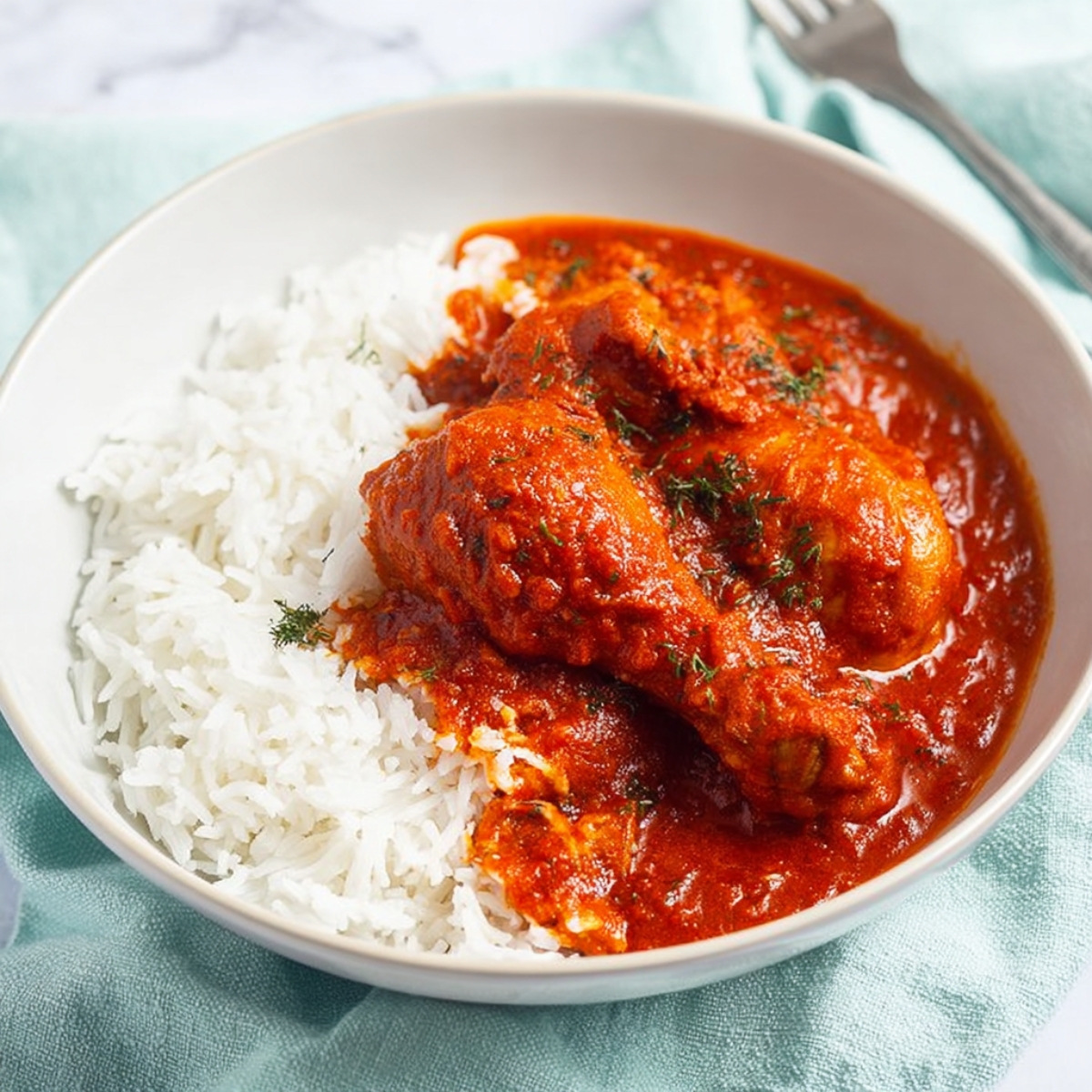
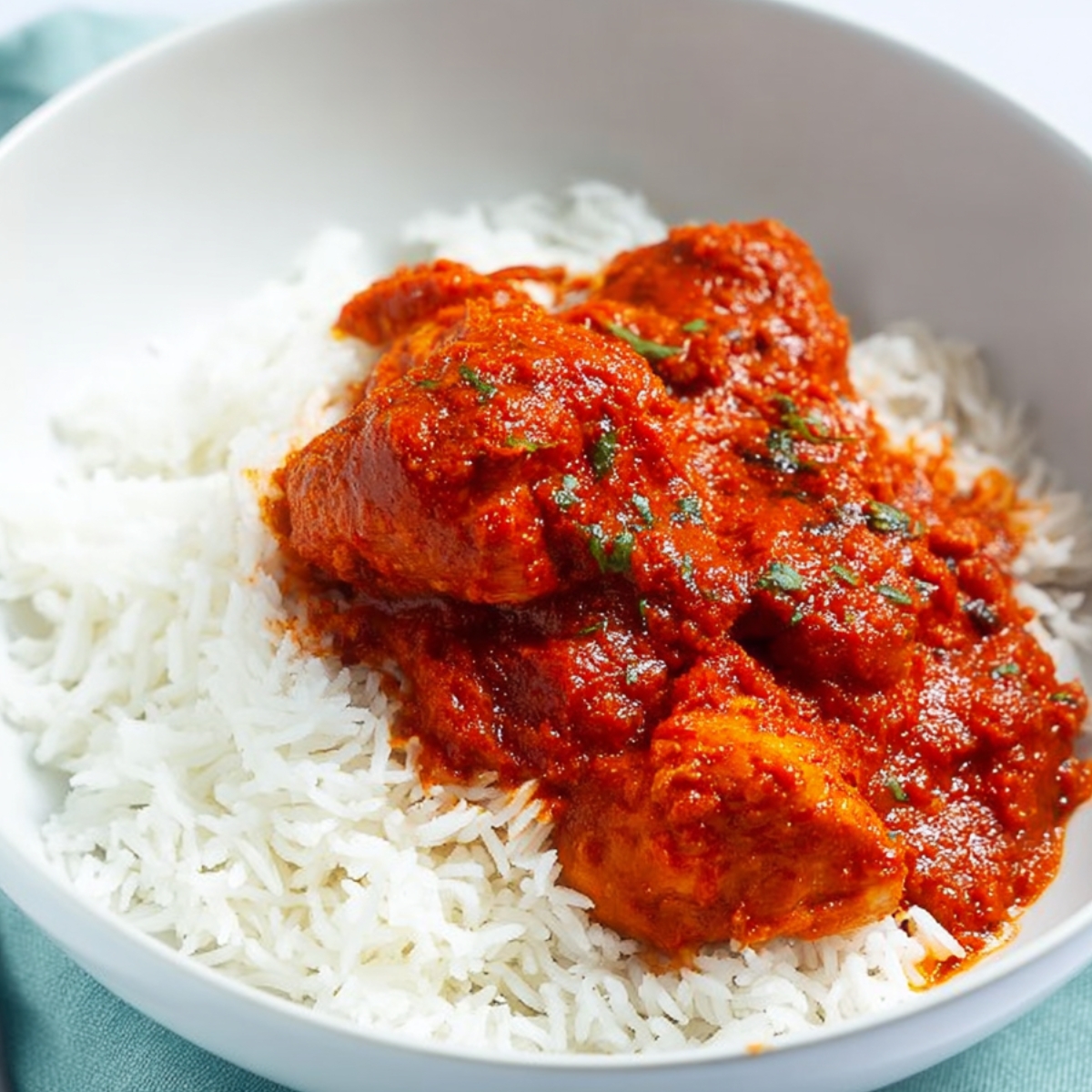
This Nigerian chicken stew simmers bone-in chicken in a thick, peppery red sauce made from blended tomatoes, bell peppers, and Scotch bonnet chiles. The chicken browns until golden, then braises low and slow until it practically falls off the bone. I first tasted this at a friend's Sunday dinner, and the way that rich, warming sauce clung to every grain of rice had me going back for seconds before I'd even finished my first plate. It's surprisingly simple to make at home, and the house smells incredible while it cooks.
If you love bold, comforting stews, try this Easy Hungarian Goulash Recipe or this French Onion Soup Recipe next, and for a quick weeknight option, this Best Pork Tenderloin Recipe is a lifesaver.
Why You Will love this Nigerian Chicken Stew
This traditional Nigerian chicken stew delivers restaurant-quality flavor with ingredients you can find at any grocery store. The spice blend is warm and aromatic without being overwhelming, and the Scotch bonnet chiles add a fruity heat that's completely different from regular hot peppers.
The Nigerian Chicken Stew stays incredibly moist because it braises in the sauce, and the skin if you use thighsgets just crispy enough before it melts into tenderness. It's a one-pot meal that feels special enough for company but easy enough for a regular weeknight.
If you love bold, peppery dishes, this Nigerian Chicken Stew hits every note. And if you're new to Nigerian cooking, this is a wonderful place to start.
Jump to:
Nigerian Chicken Stew Ingredients
Here's what you'll need to make this authentic Nigerian chicken stew from scratch.
See Recipe Card Below This Post For Ingredient Quantities
For the Chicken Seasoning:
Curry powder: Adds warmth and a subtle earthy flavor that's common in Nigerian cooking. Use any mild curry powder you have on hand.
Paprika: Brings a gentle smokiness and deepens the red color of the spice rub.
Dried thyme: A classic herb in West African stews that adds a savory, slightly floral note.
Kosher salt: Seasons the chicken deeply and helps draw out moisture for better browning. If using table salt, cut the amount in half.
For the Stew:
Bone-in, skin-on chicken thighs or drumsticks: The bones add flavor to the sauce, and the skin crisps beautifully when browned. A mix of both cuts works great.
Whole peeled tomatoes: Canned tomatoes are perfect here because they're consistent and blend smoothly. They form the base of the sauce.
Chicken broth: Adds savory depth and helps thin the blended pepper mixture just enough for easy cooking.
Red bell peppers: Sweet and mild, they balance the heat from the chiles and give the stew its signature red color.
Garlic cloves: Four cloves add a pungent, aromatic backbone that mellows as the sauce cooks.
Ginger: Fresh ginger brings a bright, slightly spicy warmth that's essential in Nigerian pepper stews.
Scotch bonnet chile peppers: These provide the fruity, floral heat that makes ata stew with chicken so distinctive. One chile is mild, two are medium spicy. Habaneros work as a substitute.
Kosher salt: A small amount seasons the blended sauce base.
Vegetable oil: Used to brown the chicken and start building flavor in the pot.
For Serving (Optional):
Steamed white rice: The classic pairing that soaks up every drop of sauce.
HOW TO MAKE Nigerian Chicken Stew
Follow these steps to make a rich, flavorful Nigerian Chicken Stew with tomatoes at home.
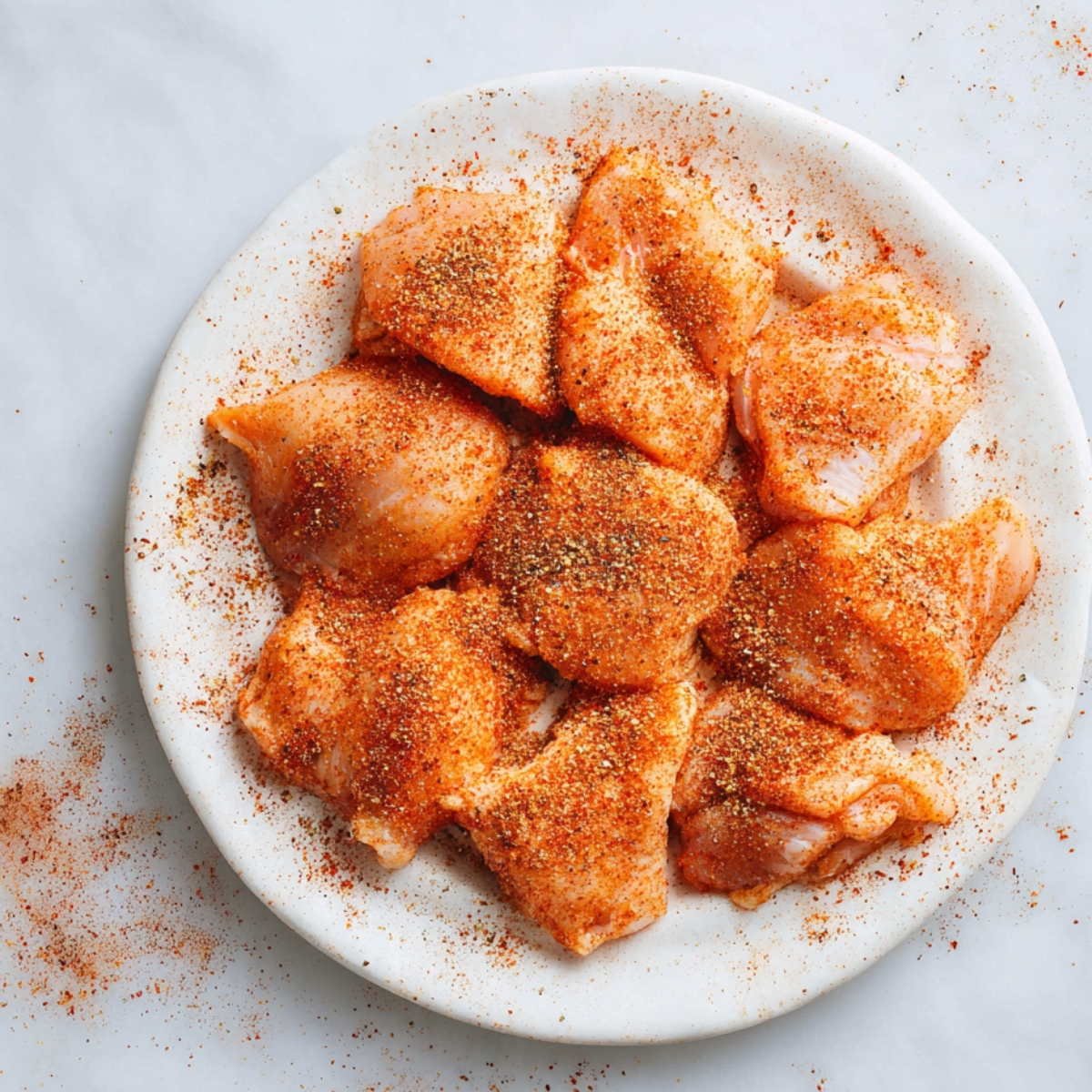
Make the spice blend: In a small bowl, stir together the curry powder, paprika, dried thyme, and 2 teaspoons kosher salt until evenly combined.
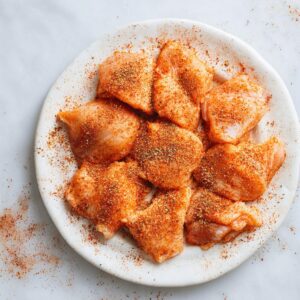
Season the chicken: Place the chicken on a large plate and pat it completely dry with paper towels. Sprinkle half of the spice mixture over the chicken and rub it in with your hands, getting into all the crevices. Flip each piece, sprinkle with the remaining spices, and rub again to coat evenly. Set aside and wash your hands thoroughly.
Blend the pepper base: Add to your blender in this order: the tomatoes with their juice, chicken broth, bell peppers, onion, garlic, ginger, chile pepper (or peppers), and the remaining ½ teaspoon salt. Secure the lid, hold it down with a folded kitchen towel, and blend on high until completely smooth, about 1 minute. The mixture should be thick and vibrant red.
Brown the chicken: Add the vegetable oil to a large Dutch oven and spread it around to coat the bottom. Arrange the seasoned chicken pieces in the pot, skin-side down if using thighs. Turn the heat to medium and let the chicken sizzle for 3 to 4 minutes without moving it.
Crisp the first side: Reduce the heat to medium-low and continue cooking until the chicken is deeply browned and the skin is beginning to crisp, 6 to 9 minutes. Don't rush this step the browning builds serious flavor.
Brown the second side: Use tongs to carefully flip each piece of chicken. Cook until browned on the second side, 3 to 5 minutes. Turn off the stove and move the pot to a cool burner using oven mitts.
Rest the chicken: Transfer all the browned chicken to a clean large plate. Let the oil and drippings in the pot cool slightly, 2 to 3 minutes, so they don't splatter when you add the liquid.
Cook the pepper sauce: Carefully pour the blended pepper mixture into the pot and use a wooden spoon to scrape up any browned bits stuck to the bottom. Return the pot to medium heat and bring the sauce to a gentle simmer. You'll hear it start to bubble.
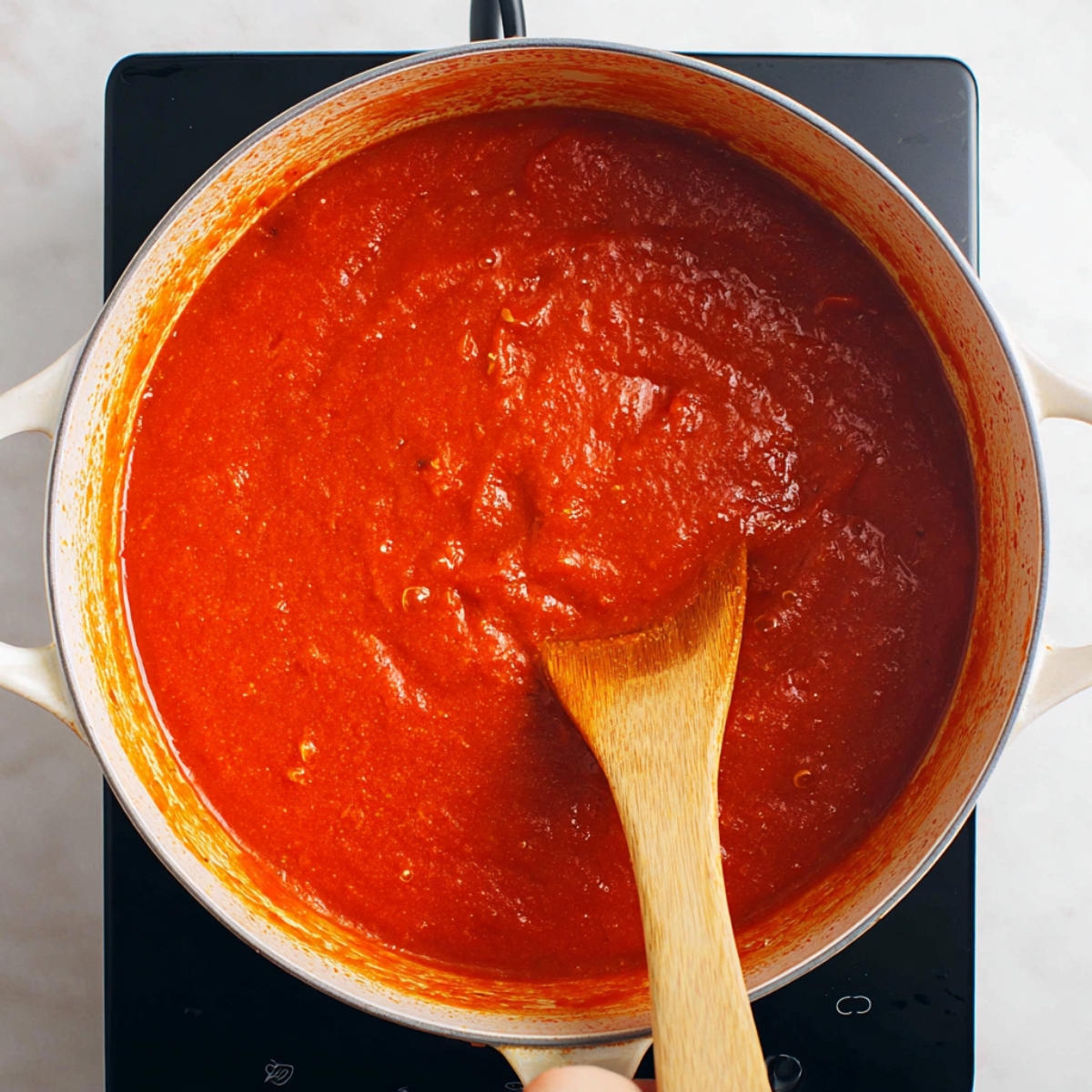
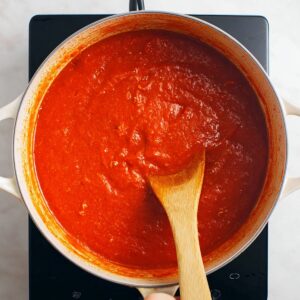
Thicken the sauce: Reduce the heat to medium-low and cook, stirring occasionally, until the sauce thickens and starts to look like marinara, 16 to 22 minutes. The color will deepen and the raw pepper smell will mellow into something rich and sweet.
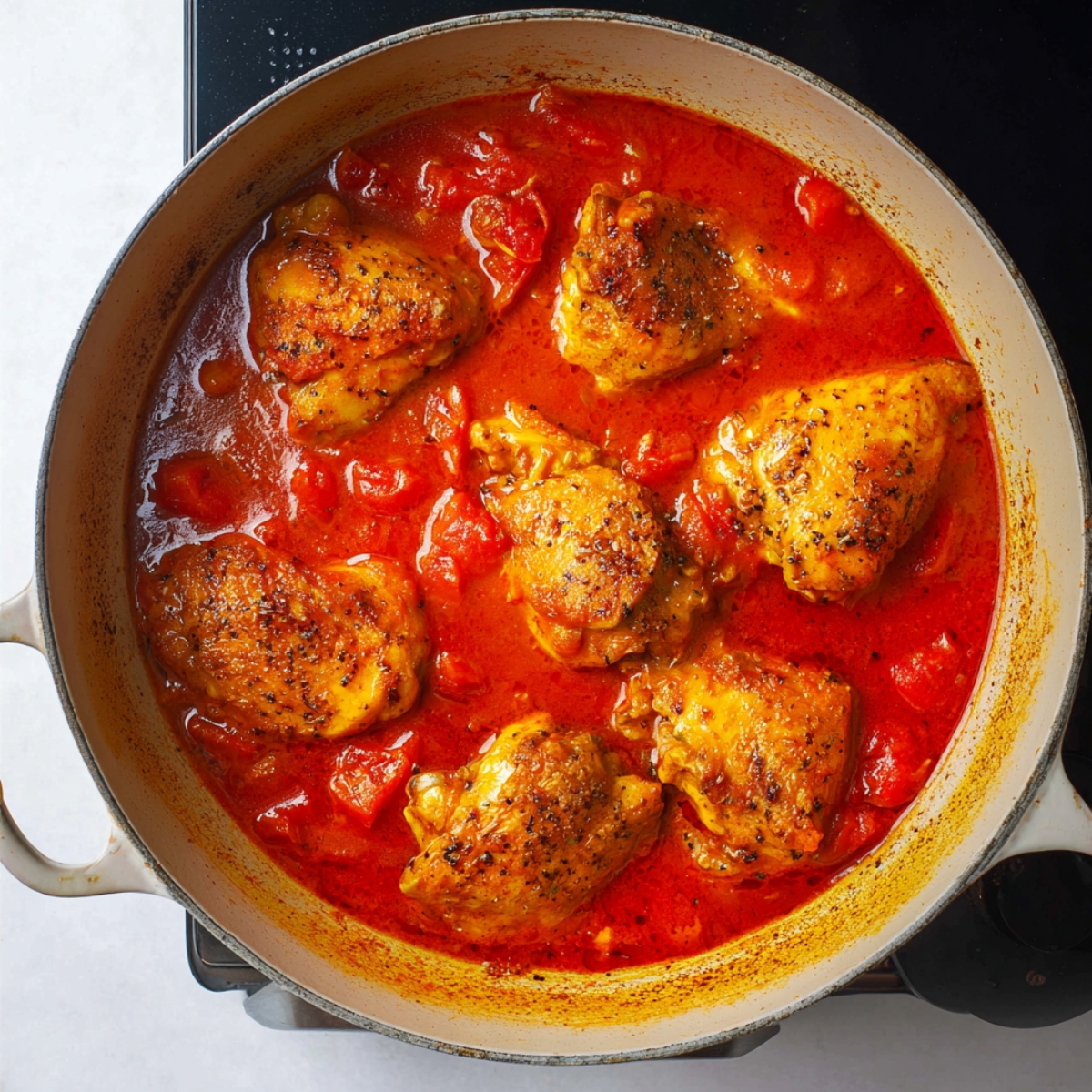
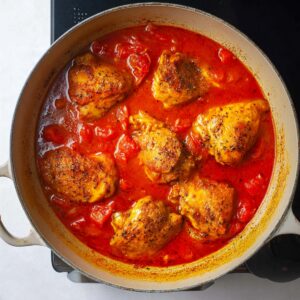
Braise the chicken: Nestle the browned chicken pieces back into the sauce, arranging them skin-side up if using thighs. Cover the pot, reduce the heat to low, and cook for 30 minutes without lifting the lid. This gentle braise makes the chicken incredibly tender.
Finish uncovered: Remove the lid and continue cooking, stirring the sauce occasionally, until it thickens further and the chicken is fork-tender, 5 to 10 minutes. Turn off the heat.
Taste and serve: Let the sauce cool slightly, then taste it. Add more salt if needed. Serve the Nigerian chicken stew with rice or your favorite accompaniments while it's hot.
Substitutions and Swaps
Chicken: Boneless thighs work in a pinch, but bone-in pieces add more flavor. You can also use a whole cut-up chicken.
Scotch bonnet chiles: If you can't find them, habaneros are the closest substitute. For less heat, use just one chile or seed them completely. Jalapeños won't give you the same fruity flavor, but they'll still add a kick.
Tomatoes: Fresh tomatoes can replace canned use about 3 medium tomatoes, roughly chopped. They'll need a bit longer to cook down.
Chicken broth: Water works if that's all you have, though the stew will be slightly less rich. Vegetable broth is another option.
Curry powder: If you don't have it, use a pinch of turmeric and cumin instead for warmth and color.
Expert Tips
Pat the chicken dry: This is key for getting a good sear. Moisture prevents browning, so use paper towels and really dry each piece.
Don't skip the browning: Those caramelized bits on the chicken and the bottom of the pot add incredible depth to the sauce.
Blend in the right order: Adding the tomatoes and broth first prevents the blender blades from getting jammed by the thicker vegetables.
Wear gloves with fresh chiles: Scotch bonnets are no joke. Disposable gloves protect your hands, and be careful not to touch your face while handling them.
Let the sauce cook down: The stew is ready when the oils start to separate slightly at the edges and the color deepens to a rich red. This usually takes 16 to 22 minutes.
Equipment FOR Nigerian Chicken Stew
This Nigerian tomato chicken stew comes together easily with basic kitchen tools.
Small bowl: For mixing the spice blend.
Spoon: To stir the spices and scrape up browned bits later.
2 large plates: One for seasoning the chicken, one for holding the browned pieces.
Blender: Essential for creating the smooth pepper base. A high-speed blender works best, but any blender will do the job.
Kitchen towel: Hold it over the blender lid to prevent splatters while blending hot or thick mixtures.
Large Dutch oven with lid: This heavy pot distributes heat evenly and gives you enough room to brown the chicken and simmer the sauce without crowding.
Tongs: For flipping the chicken safely without tearing the skin.
Oven mitts: To move the hot pot when needed.
How to Store and Reheat
Let the Nigerian Chicken Stew cool to room temperature, then transfer it to an airtight container. It keeps in the fridge for up to 4 days, and the flavors actually deepen overnight.
To reheat, warm it gently on the stove over low heat, stirring occasionally. Add a splash of water or chicken broth if the sauce has thickened too much. You can also microwave individual portions in 1-minute intervals, stirring in between.
This stew freezes beautifully. Store it in freezer-safe containers for up to 3 months. Thaw it in the fridge overnight, then reheat on the stove.
FAQ
How do you know when Nigerian Chicken Stew is ready?
The Nigerian Chicken Stew is ready when the sauce has thickened to the consistency of marinara and the oils begin to separate at the edges. The chicken should be fork-tender, and the raw pepper smell will have transformed into a deep, rich aroma. This usually takes about 16 to 22 minutes of simmering after you add the blended peppers, plus another 35 to 40 minutes of braising with the chicken.
How many hours to cook Nigerian Chicken Stew?
This Nigerian Chicken Stew takes about 1 hour and 50 minutes total from start to finish. The active prep and browning take about 20 to 25 minutes, then the sauce simmers for 16 to 22 minutes, and finally the chicken braises in the sauce for another 35 to 40 minutes. Most of that time is hands-off, so you can do other things while it cooks. The slow braising is what makes the chicken so tender, so don't rush it.
How long can you keep Nigerian Chicken Stew in the fridge?
You can keep Nigerian Chicken Stew in an airtight container in the fridge for up to 4 days. The flavors actually get better after a day or two as everything melds together. Just make sure to cool it completely before storing it, and reheat it gently on the stove with a splash of water if it's thickened up too much. If you want to keep it longer, freeze it for up to 3 months.
How many minutes to fry Nigerian stew?
The initial browning of the chicken takes about 9 to 13 minutes total (6 to 9 minutes on the first side, 3 to 5 minutes on the second side). After you add the blended pepper mixture, you'll fry the sauce for 16 to 22 minutes, stirring occasionally, until it thickens and the oils start to separate.
Related
Looking for other recipes like this? Try these:



Pairing
These are my favorite dishes to serve with Nigerian Chicken Stew



Nigerian Red Stew
Ingredients
Method
- Stir the curry powder, paprika, dried thyme, and kosher salt together in a small bowl until evenly combined.
- Dry the chicken pieces thoroughly, then rub the spice mixture over all sides, pressing it into the skin and meat.

- Place the tomatoes, chicken broth, bell peppers, garlic, ginger, chile peppers, and remaining salt into a blender in that order, then blend until completely smooth.
- Coat the bottom of a large Dutch oven with oil and arrange the seasoned chicken skin-side down in a single layer.
- Cook over medium heat until the chicken begins to sizzle, then lower the heat and continue cooking until the skin is deeply golden and lightly crisp.
- Flip the chicken and cook until the second side is nicely browned, then remove the pot from the heat.
- Transfer the chicken to a clean plate and allow the rendered fat in the pot to cool slightly.
- Pour the blended pepper mixture into the pot, scraping up the browned bits from the bottom as it heats and begins to gently bubble.
- Lower the heat and simmer the sauce, stirring occasionally, until it thickens to a rich, marinara-like consistency.
- Nestle the chicken back into the sauce, cover the pot, and cook gently until the chicken is tender and infused with flavor.
- Remove the lid and continue cooking until the sauce thickens slightly more and coats the chicken beautifully.
- Taste the sauce, adjust seasoning if needed, and serve the chicken and sauce spooned generously over rice.

Leave a Reply