
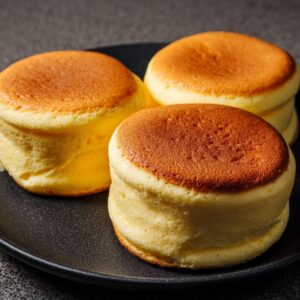
These tall, wobbly Japanese pancakes jiggle when you set them down. They're ridiculously soft, almost too delicate to cut with a fork. I first had them at a café down the street and spent the next three weeks trying to figure out how they got that texture like biting into sweetened air.
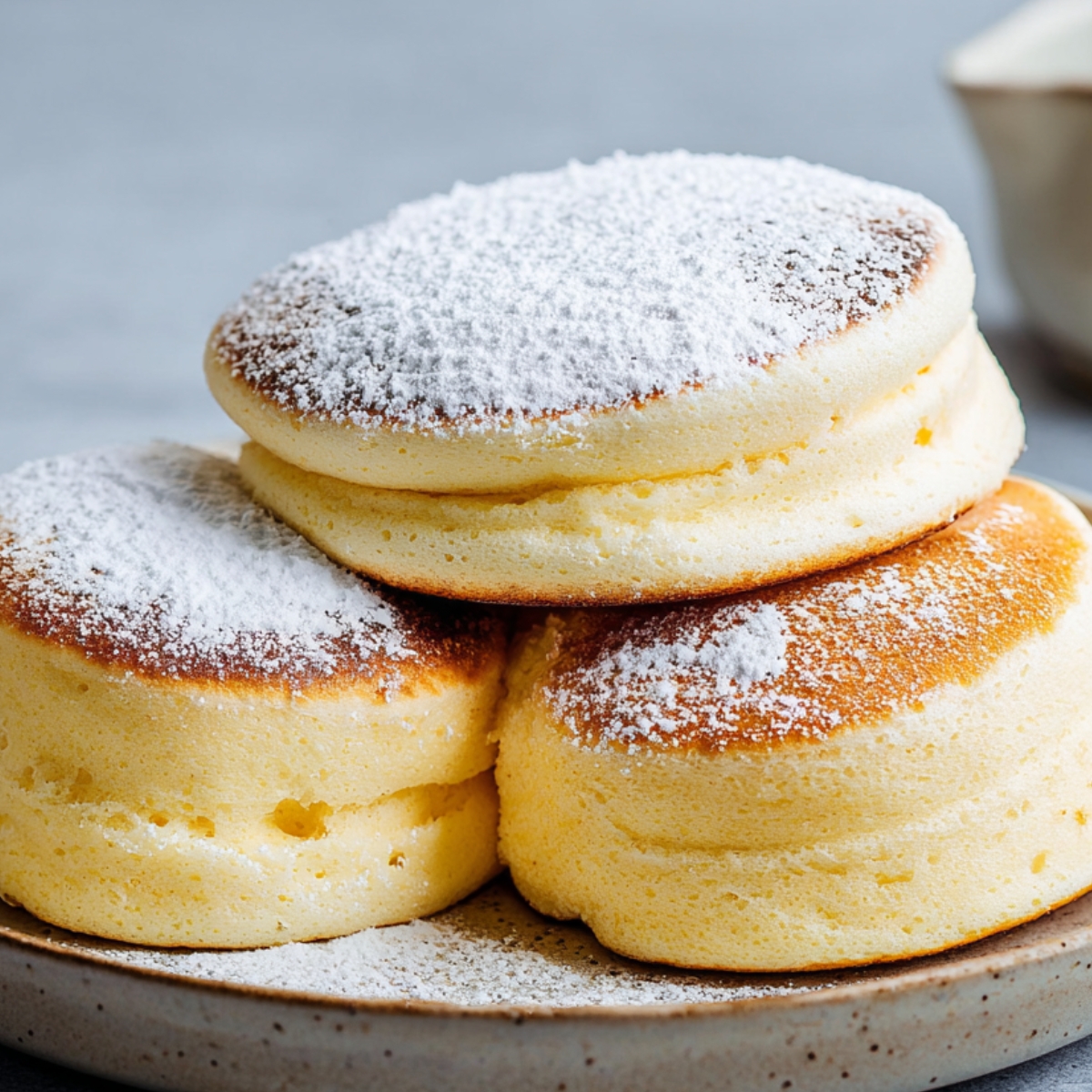
Turns out, it's all about whipping egg whites until they hold stiff peaks, then folding them into a simple batter without crushing all those bubbles. The cooking part takes patience low heat, a lid on the pan, and no peeking for at least four minutes. If you've made anything with a delicate fold before, like my Best Babka Recipe, you'll recognize the gentle touch these need.
They're taller than anything you'd flip on a regular Sunday morning, and they taste a little sweet, a little eggy, with that melt-away softness that makes you slow down and actually pay attention to breakfast. Serve them with butter and syrup, or try them alongside something savory like my 10-Minute Olive Tapenade if you want the contrast. Either way, they're worth the extra ten minutes of whisking.
Why You Will love this Japanese Pancakes
These soufflé Japanese Pancakes recipe might look fancy, but they're made with pantry staples you probably already have. The technique takes a little practice, but once you nail the meringue, you'll be making these cloud Japanese Pancakes on repeat.
They're impressive enough for a special breakfast but simple enough for a lazy Sunday morning. Plus, they're lighter than regular Japanese Pancakes, so you won't feel weighed down even after eating a couple. The soft, airy texture with that slight sweetness is just irresistible.
Jump to:
Japanese Pancakes Ingredients
Here's what you'll need to make these tall fluffy Japanese Pancakes at home.
See Recipe Card Below This Post For Ingredient Quantities
For the Yolk Mixture:
- Egg yolk: Provides richness and helps bind the batter together while keeping it tender.
- Sugar: Sweetens the batter and helps create that slight golden color on the outside.
- Milk : Adds moisture and makes the texture softer. Room temperature milk mixes in more easily.
- Flour : Gives the pancakes just enough structure without making them heavy.
- Baking powder : Helps with a little extra lift and creates those airy pockets inside.
For the Meringue:
- Egg whites : The star of the show—these get whipped into soft peaks and create all that fluffiness.
- Cream of tartar : Stabilizes the egg whites so your meringue holds its shape and doesn't deflate.
- Sugar : Sweetens the meringue and helps it whip up thick and glossy. Add it gradually for the best texture.
How to Make Japanese Pancakes
Follow these steps to create perfectly fluffy Japanese Pancakes with meringue.
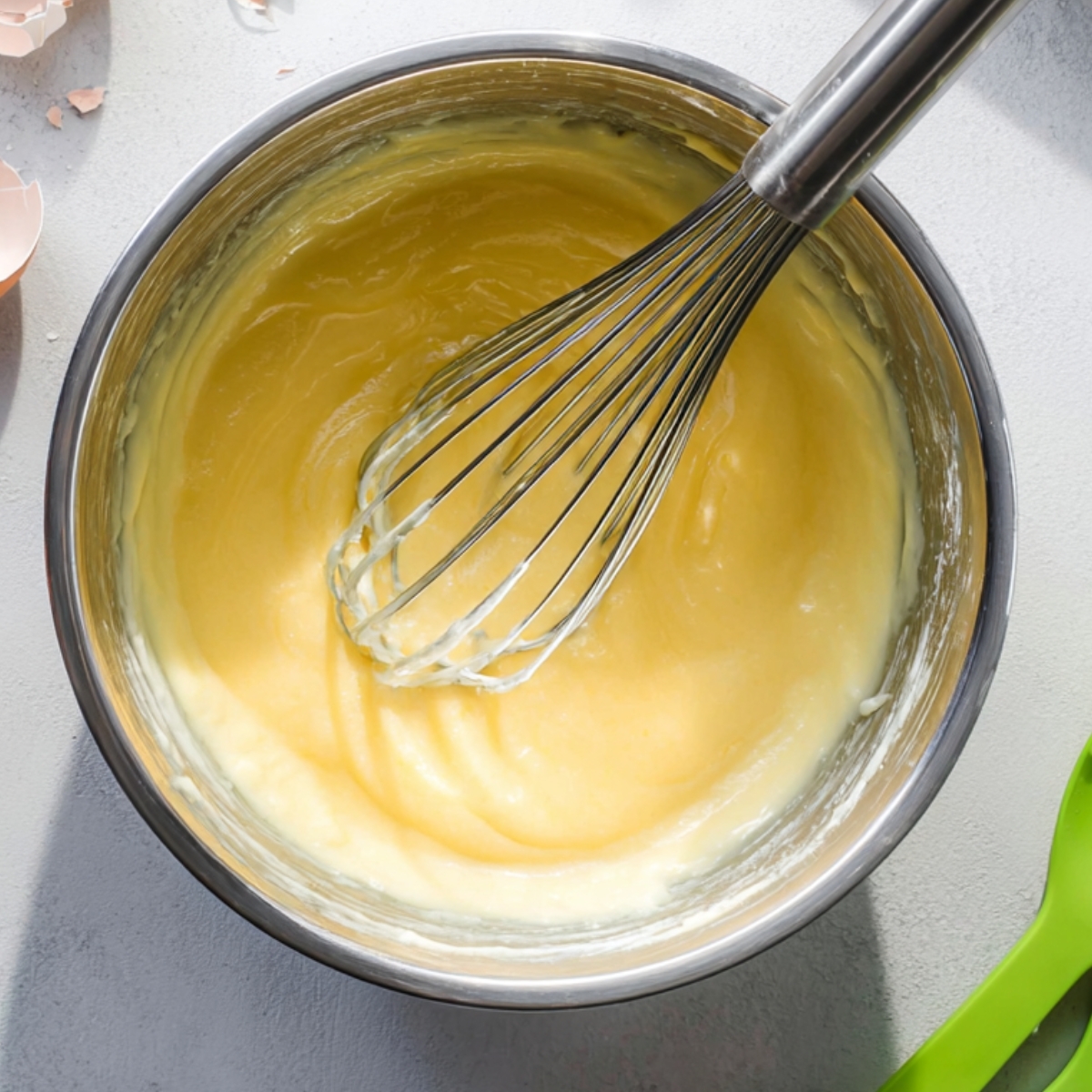
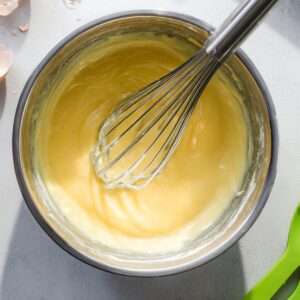
Prepare the yolk base: Whisk the egg yolk with 1 tablespoon of sugar until it turns pale yellow and looks a bit frothy, about 1 minute. Add the milk in two batches, whisking after each addition. Sift the flour and baking powder directly over the yolk mixture, then whisk until everything is smooth and fully combined with no lumps.
Whip the egg whites: In a separate clean bowl, use an electric mixer to whip the egg whites with the cream of tartar. Start on medium speed until they turn frothy and pale, then gradually add the 1.5 tablespoons of sugar a little at a time. Keep whipping until the meringue is thick, glossy, and holds a stiff peak when you lift the beaters. Be careful not to overwhip you want it smooth, not grainy.
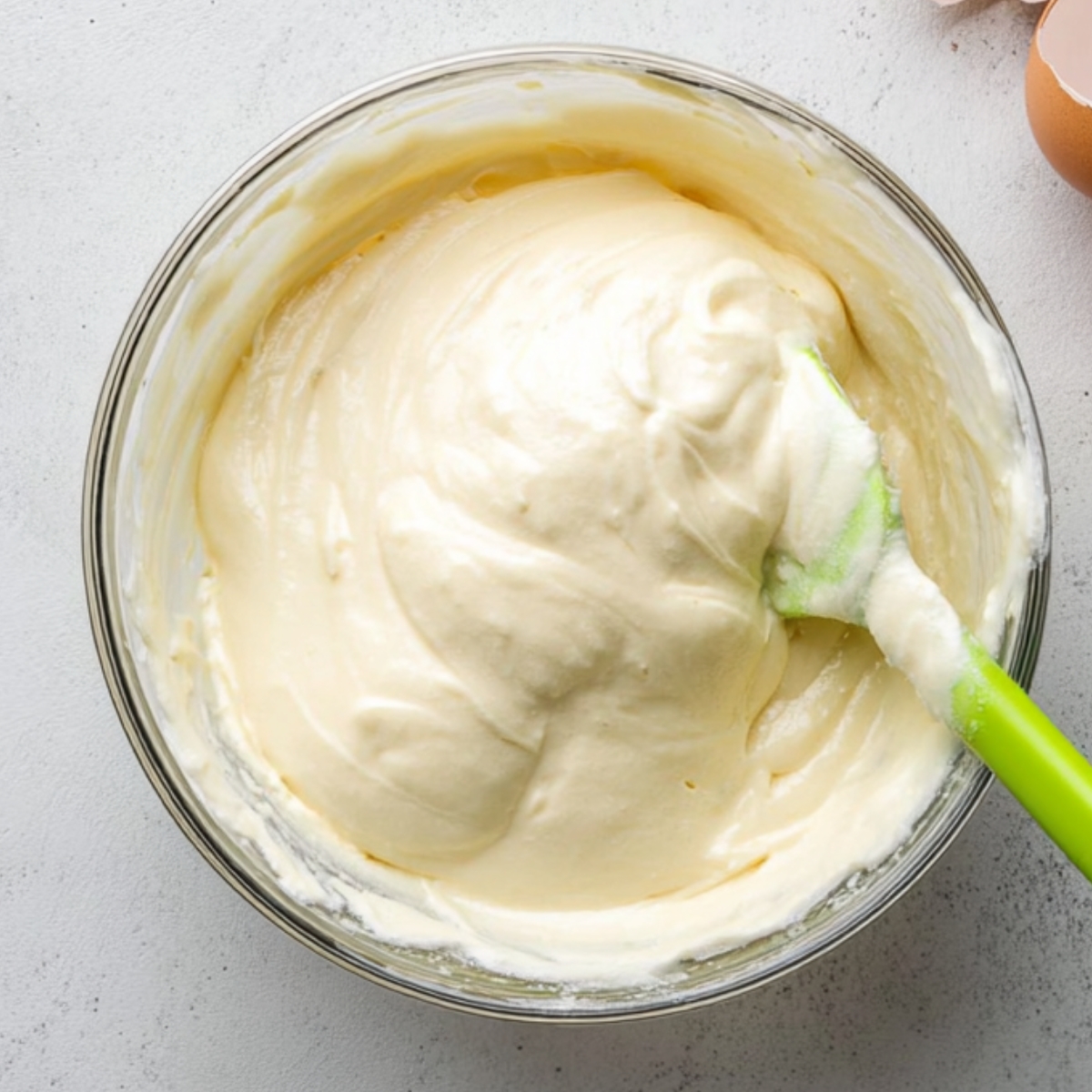
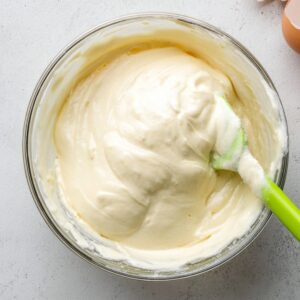
Fold in the meringue: Scoop about ⅓ of the whipped egg whites into the yolk mixture and whisk it in completely to lighten the batter. Add half of the remaining whites and gently whisk them in, being careful not to deflate the air. Pour the yolk mixture into the bowl with the rest of the egg whites, give it a few gentle whisks, then switch to a rubber spatula and fold everything together until just combined. The batter should look fluffy and cloud-like.
Prep the pan: Heat a large non-stick frying pan with a lid over low heat for about 2 minutes. Very lightly brush the surface with a tiny bit of oil, then use a paper towel to wipe it around, leaving only the thinnest film. You want almost no oil—too much will make the pancakes greasy.
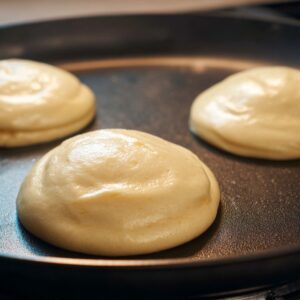
Cook the first layer: Use an ice cream scoop or a measuring cup to drop the batter onto the pan in tall mounds. Unless you have a very large pan, cook just one or two pancakes at a time so they have space. Cover with the lid and cook for 4 to 5 minutes without peeking. If you're using a crepe maker or griddle with a lid, keep the heat on the lowest possible setting.
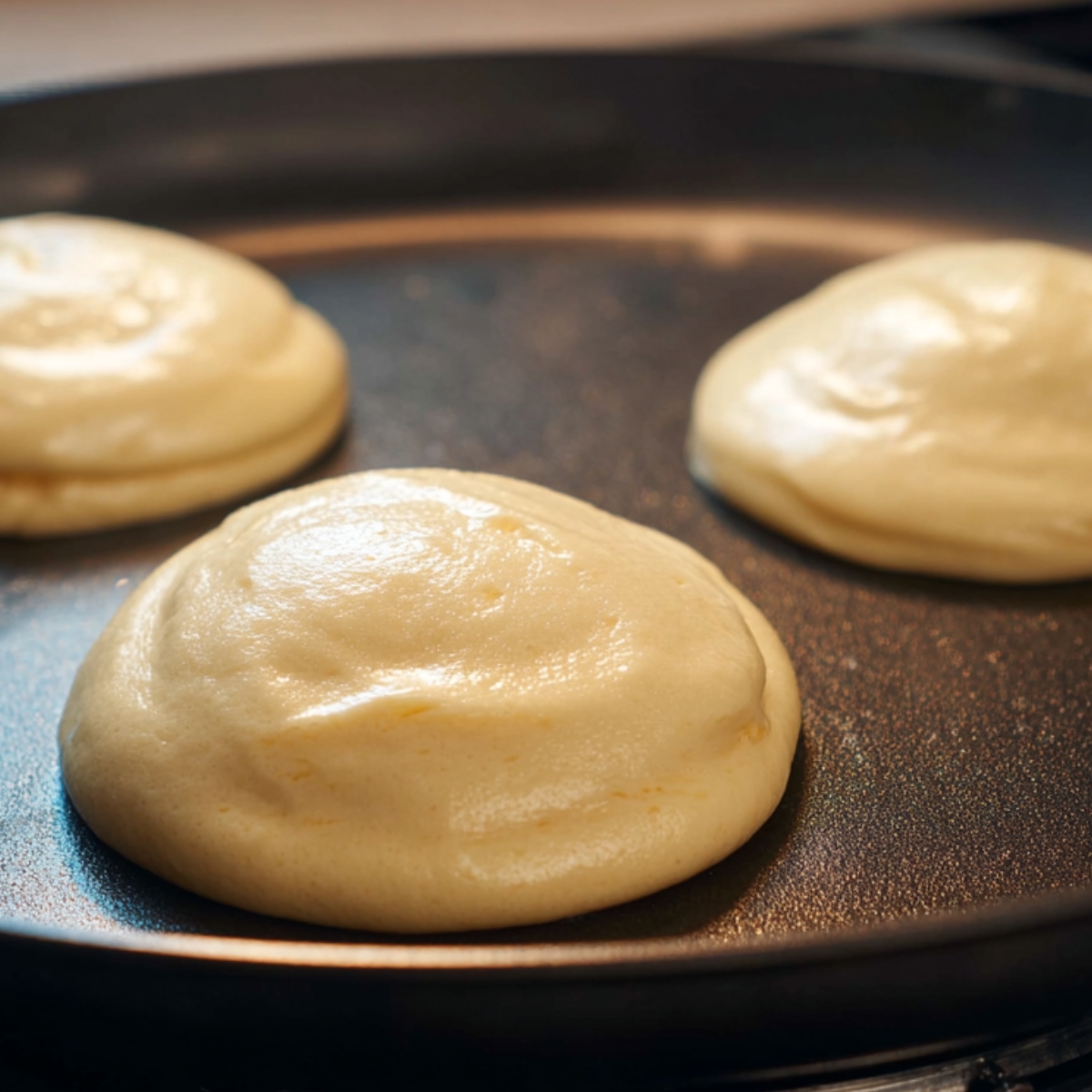
Add more batter: Remove the lid carefully and add another scoop of batter on top of each pancake to make them even taller. Cover again and cook for another 4 to 5 minutes. Gently lift the lid and check the bottom the pancake should release easily when you slide a spatula underneath. If it sticks, give it another minute.
Flip and finish: If you still have batter left, pile it on top of the pancakes, then use two spatulas to gently flip them over. Cover and cook for 5 to 6 minutes until golden and cooked through. The pancakes will puff up even more as they finish. They should feel light and springy to the touch.
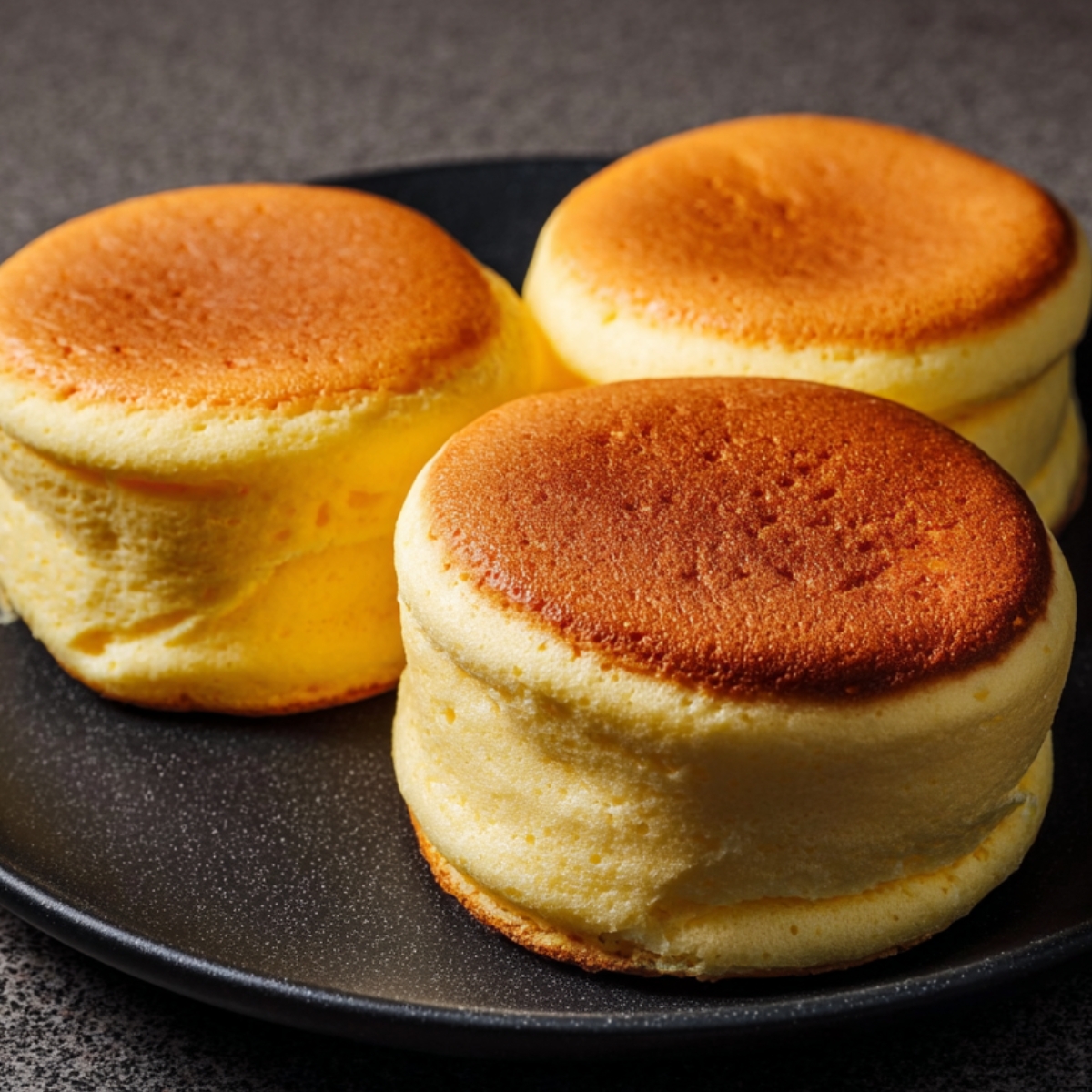
Serve immediately: Gently slide the pancakes onto a plate and serve right away with powdered sugar, a pat of butter, whipped cream, and warm maple syrup. These Japanese breakfast pancakes are best enjoyed fresh and warm.
Substitutions and Swaps
Milk alternatives: You can use almond milk, oat milk, or soy milk in place of regular milk. Just make sure it's unsweetened if you want to control the sweetness.
No cream of tartar? Use ¼ teaspoon of lemon juice or white vinegar instead. It does the same job of stabilizing the egg whites.
Flour swap: If you want to use cake flour instead of all-purpose, it'll make the pancakes even softer and more delicate. Use the same amount.
Sugar options: You can use superfine sugar (also called caster sugar) if you have it it dissolves faster and makes the meringue smoother.)
Expert Tips
Room temperature matters: Make sure your eggs are at room temperature before you start. Cold egg whites don't whip up as well, and you'll get less volume in your meringue.
Keep it low and slow: Don't be tempted to turn up the heat. Low heat gives the Japanese Pancakes time to cook through without burning the outside. If your pan gets too hot, lift it off the burner for a few seconds to cool down.
Don't overmix: When you're folding the meringue into the yolk mixture, be gentle and stop as soon as you don't see any white streaks. Overmixing deflates all those air bubbles you worked so hard to create.
Use a clean bowl: Any grease or yolk in your egg whites will prevent them from whipping properly. Make sure your bowl and beaters are completely clean and dry.
Equipment For Japanese Pancakes
You'll need a few key tools to make these Japanese Pancakes without molds. A good electric hand mixer or stand mixer is important for whipping the egg whites doing it by hand takes forever and won't give you the same volume. Use at least two mixing bowls so you can keep the yolks and whites separate.
A fine mesh sieve helps you sift the flour and baking powder, which keeps the batter light and lump-free. You'll also need a rubber spatula for gentle folding, and a non-stick frying pan with a lid to create that steamy environment the pancakes need to rise. An ice cream scoop or measuring cup makes it easy to portion the batter evenly.
Storage and Make-Ahead Tips
These light and fluffy Japanese Pancakes are really best eaten fresh, right after cooking. But if you have leftovers, let them cool completely, then store them in an airtight container in the fridge for up to 1 day. Reheat them gently in a low oven (around 250°F) for a few minutes microwaving them makes them rubbery.
You can also freeze them between layers of parchment paper in a freezer bag for up to 1 month. Thaw in the fridge overnight, then warm them up in the oven. They won't be quite as fluffy as fresh, but they're still pretty good.
The batter doesn't hold well once it's mixed, so it's best to make it right before cooking. However, the recipe notes mention that in Japan, pancake batter is sometimes prepared ahead, which suggests it can hold for a short time if the meringue is whipped properly.
Serving Suggestions
These brunch-style Japanese pancakes are delicious with just butter and maple syrup, but there are so many ways to dress them up.
Classic style: Dust them with powdered sugar, add a generous pat of butter, and drizzle warm maple syrup on top. The butter melts into the fluffy layers, and the syrup soaks in just a bit without making them soggy.
Berry topping: Fresh strawberries, blueberries, or raspberries on top add a bright, fruity contrast to the rich, eggy flavor. A little whipped cream on the side makes it feel extra special.
Chocolate lovers: Drizzle some melted chocolate or Nutella over the pancakes and add sliced bananas. It's like dessert for breakfast.
Savory twist: If you're feeling adventurous, skip the sweet toppings and serve them with crispy bacon, a fried egg, and a sprinkle of black pepper. The soft, slightly sweet Japanese Pancakes with salty bacon is an unexpected combo that really works.
FAQ
What is a Japanese pancake called?
They're called soufflé Japanese Pancakes or fluffy pancakes. In Japan, you might hear "fuwa fuwa" pancakes, which means soft and fluffy. They're completely different from regular pancakes because of the whipped egg whites folded into the batter. My mom says they're more like eating a sweet cloud.
How are Japanese pancakes so fluffy?
It's all about the meringue. Whipped egg whites create thousands of tiny air bubbles that expand when cooked slowly with a lid on. The low heat and steam help them rise without collapsing. Amanda learned this the hard way rushing the whipping gives you flat pancakes.
Is Dorayaki the same as pancake?
Not quite. Dorayaki are those sandwich-style treats with sweet red bean paste between two small pancakes. They're denser and cake-like, without the meringue that makes soufflé pancakes so tall and jiggly. Both are delicious, just different styles.
What's different about Japanese pancakes?
They're much taller, lighter, and airier than regular pancakes. The whipped egg whites create that melt-in-your-mouth texture, and they're cooked low and slow with a lid on. Regular pancakes rely on baking powder and quick mixing, while these take more time and care. You usually eat just one or two instead of a big stack.
Related
Looking for other recipes like this? Try these:
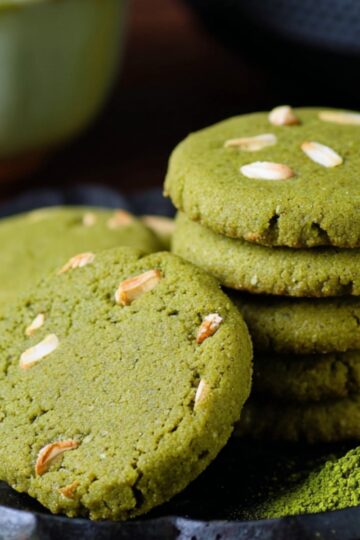
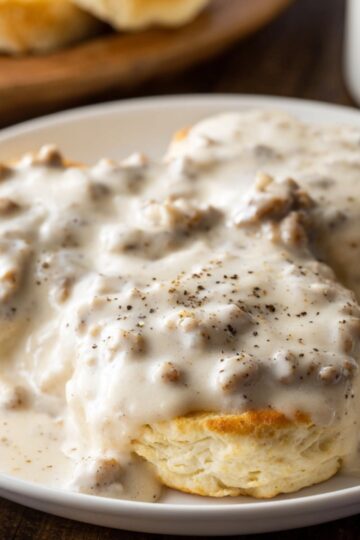
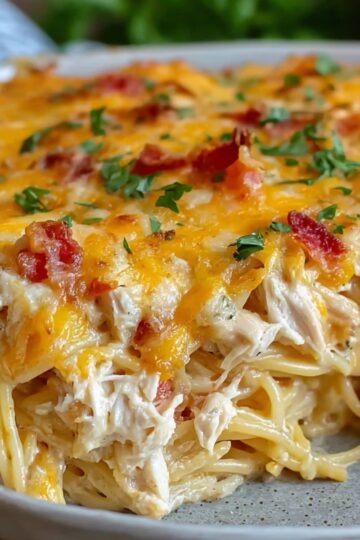
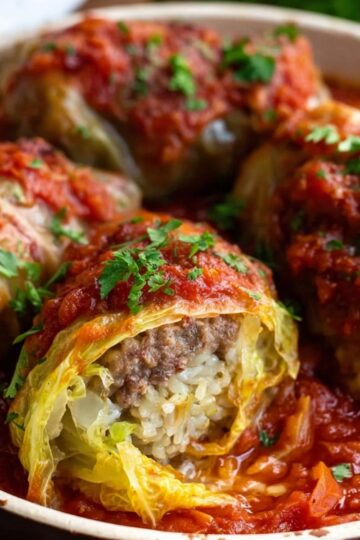
Pairing
These are my favorite dishes to serve with Japanese Pancakes
Japanese Pancakes
Ingredients
Method
- Whisk the egg yolks with the measured sugar until the mixture turns pale and slightly airy, then slowly blend in the milk in stages until smooth.

- Sift the flour and baking powder directly into the yolk mixture and whisk until a thick, lump-free batter forms.
- Beat the egg whites with cream of tartar until foamy, then gradually sprinkle in the sugar while whipping until glossy peaks form that gently hold their shape.
- Blend one-third of the whipped whites into the yolk batter until fully loosened, then gently whisk in half of the remaining whites without deflating.
- Transfer the yolk mixture into the bowl with the remaining egg whites and carefully fold with a spatula until just combined.
- Warm a nonstick skillet with a lid over very low heat and lightly oil the surface, spreading it thinly with a paper towel.
- Scoop the batter onto the pan in tall mounds, cover with the lid, and cook slowly until the bottoms set and the pancakes rise.
- Remove the lid and add a small scoop of batter on top of each pancake, then cover again and continue cooking until the sides are stable.
- If batter remains, layer it on top, gently flip each pancake, cover, and cook until golden and fully set through the center.
- Transfer the pancakes carefully to plates and serve immediately with desired toppings.
Leave a Reply