
There's nothing quite like folding a golden, pillowy omelette recipe onto a plate and watching the steam rise while melted cheese peeks out from the edges. I remember the first time I nailed one it was a lazy Sunday morning, and I'd watched Mom flip hers so effortlessly that I thought it had to be simple. Turns out, it is, once you know the rhythm. This recipe uses just a few basic ingredients and takes about 20 minutes from start to finish, making it perfect for busy mornings or when you're craving something warm and satisfying.

If you're looking for more cozy breakfast recipes to start your day, this fluffy omelette pairs beautifully with crispy sides like my Easy Onion Rings Recipe | 8 Steps to Crispy Perfection or even a sweet treat like Best Japanese Pancakes Recipe | Fluffy Soufflé Style in 30 Min.
Why This Omelette Recipe Works Every Time
Here's the thing about a classic omelette recipe: it's all about gentle heat and patience. You're not scrambling the eggs or rushing them into submission. Instead, you're coaxing them into soft, tender layers that fold over cheese and fillings like a warm hug. This method keeps the omelette fluffy on the inside and lightly golden on the outside, with that satisfying slight jiggle when you slide it onto the plate.
I used to think Omelette Recipe were tricky, something only diners could pull off. Then Amanda told me her secret low heat and a good nonstick pan and suddenly everything clicked. Whether you're making a simple Omelette Recipe for one or doubling the batch for the family, this recipe scales beautifully and never gets old.
Jump to:
Omelette Recipe infredient
Here's everything to make one perfect egg omelette recipe.
See Recipe Card Below This Post For Ingredient Quantities
Omelette Base
Salted butter: Adds richness and helps the eggs cook gently without sticking. The butter flavor makes a big difference here, so don't skip it if you can help it.
Large eggs: The foundation of the omelette. Three eggs make a generous single serving that's fluffy and satisfying. Using fresh, organic eggs gives you the best flavor and color.
Salt and pepper: Just a pinch of each balances the richness of the eggs and brings out their natural flavor.
Sharp cheddar cheese, shredded: Melts beautifully and adds a tangy, creamy layer. You can swap in other cheeses, but sharp cheddar is a classic for a reason.
Vegetable Filling
Olive oil: Used to sauté the vegetables until they're tender and slightly caramelized.
Minced garlic: Adds a savory depth to the vegetables. Fresh garlic is best, but jarred works in a pinch.
Vegetables, diced small: Bell peppers, zucchini, onions—whatever you have on hand. Dicing them small helps them cook quickly and fold easily into the omelette.
Salt and pepper, to taste: Seasons the filling so every bite is flavorful.
Onion Bacon Garlic Filling
Minced garlic: Brings warmth and aroma to the bacon mixture.
Minced onion: Adds sweetness and a little texture as it softens in the pan.
Bacon, diced: Crispy, salty, and savory. You can also use sausage or ham if that's what you prefer.
How to Make the Best Omelette Recipe
This is a simple, step-by-step guide to making a fluffy Omelette Recipe that folds perfectly every time.
Prepare the Filling
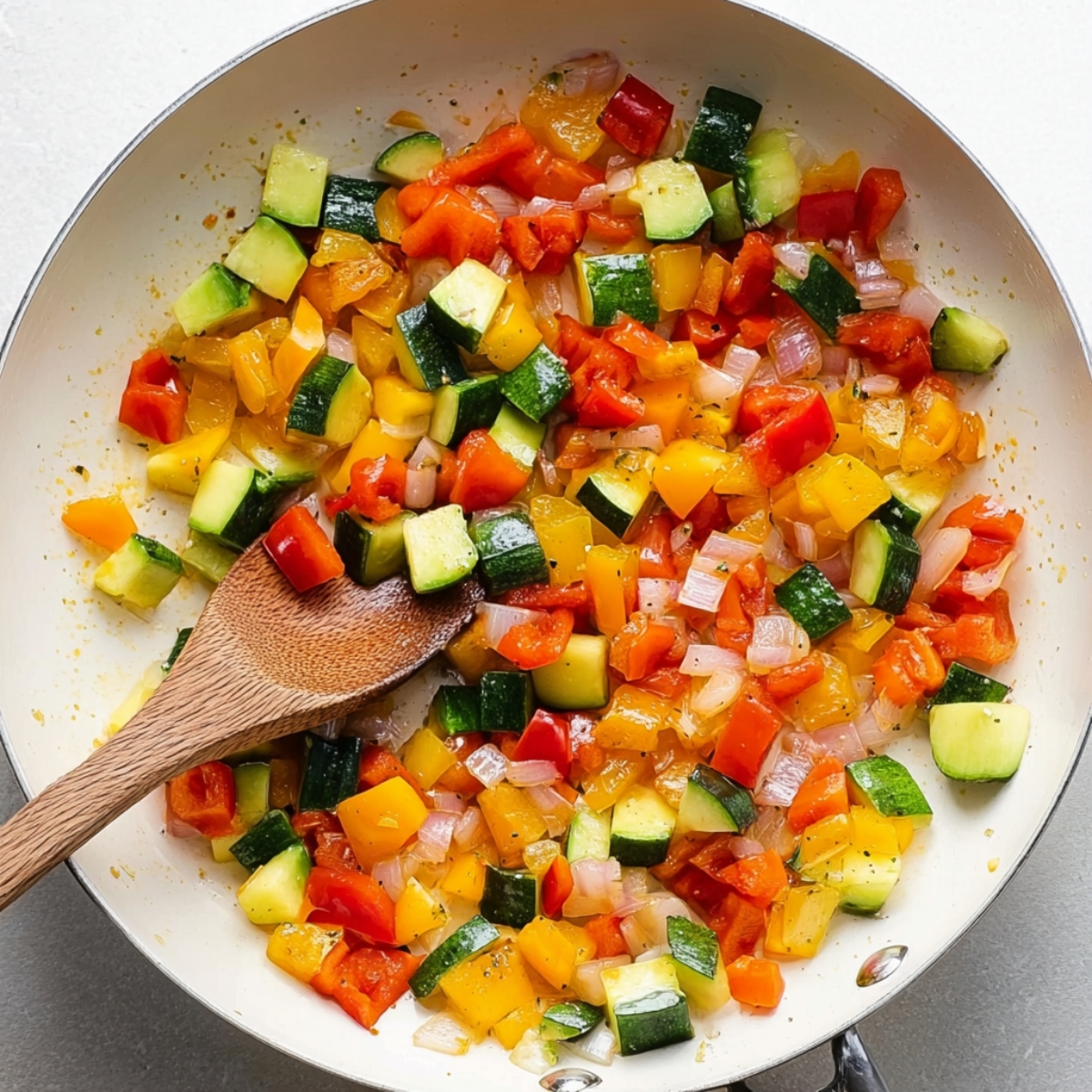
Dice the vegetables: Cut about 1 cup of your chosen vegetables into small, even pieces so they cook quickly and blend smoothly into the omelette.
Sauté the vegetables: Heat the olive oil in a pan over medium-high heat. Add the vegetables and garlic, stirring occasionally, until they're soft and lightly golden, about 4 to 5 minutes depending on what you're using. Bell peppers take a bit longer than zucchini, so adjust as needed. Set aside when done.
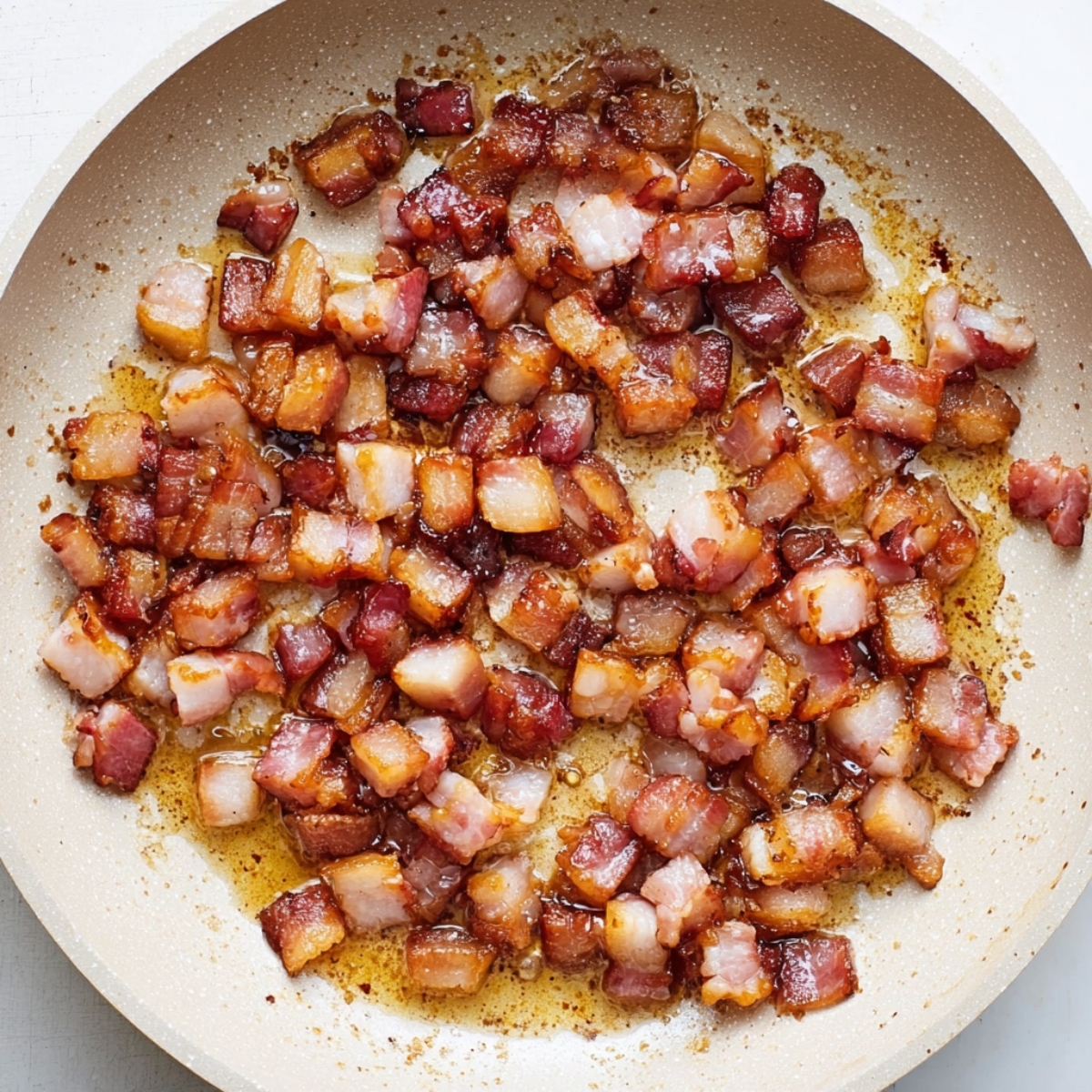
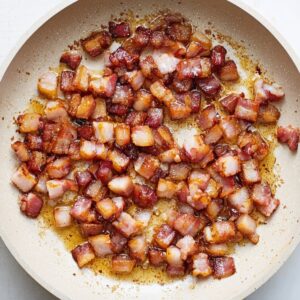
Cook the bacon filling: If you're going the bacon route, cook the diced bacon, garlic, and onion together over medium heat. Stir occasionally until the bacon is crispy and the onion is soft and translucent, about 6 to 8 minutes. Set aside and drain any excess grease if needed.
Make the Omelette
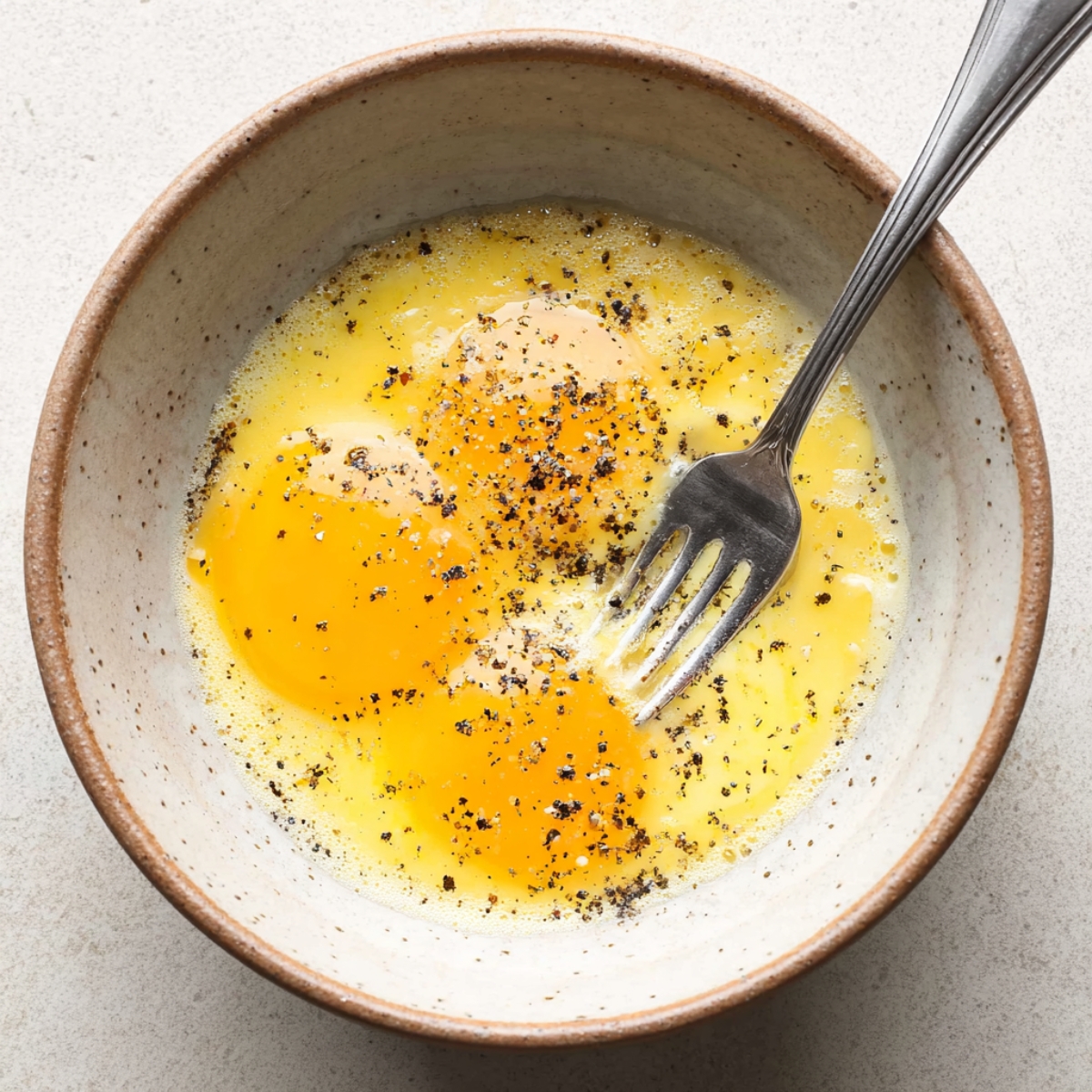
Whisk the eggs: Crack the eggs into a bowl and whisk them vigorously until they're completely smooth and slightly frothy, with no streaks of white. This step adds air and makes the omelette light. Whisk in a pinch of salt and pepper.
Melt the butter: Place your nonstick skillet over medium-low heat and add the butter. Let it melt slowly, swirling the pan so it coats the bottom evenly. You want it bubbling gently, not sizzling or browning.
Add the eggs: Pour the whisked eggs into the pan and swirl gently so they spread out in an even layer. The key here is patience—don't crank the heat.
Cover and cook: Place a lid on the pan and let the eggs cook undisturbed over medium-low heat until they start to set around the edges, about 2 to 3 minutes. You'll see the top become less glossy and more matte.
Push the edges in: Once the eggs begin to set, use a spatula to gently push the cooked edges toward the center, tilting the pan so the uncooked eggs flow to the edges. This helps the omelette cook evenly without overcooking the bottom.
Flip carefully: When the omelette is mostly set but still slightly soft on top (around 5 to 6 minutes total), carefully flip it using a firm spatula. Turn off the heat—the residual warmth will finish cooking it.
Add cheese and fillings: Sprinkle the shredded cheese over the entire surface, then add your prepared fillings to one half of the omelette.
Fold and serve: Use your spatula to gently fold the empty half over the filling, creating a half-moon shape. Slide it onto a plate and serve immediately while it's still warm and fluffy.
Smart Substitutions for Every Kitchen
Sometimes you need to work with what you've got, and that's where this easy omelette recipe really shines.
Butter: If you don't have salted butter, unsalted butter works just fine—you might want to add a tiny extra pinch of salt to the eggs. Ghee is another great option if you want a richer, slightly nutty flavor. Olive oil can work in a pinch, though it won't give you that classic buttery taste.
Eggs: Organic, pasture-raised eggs make a noticeable difference in flavor and color, but regular large eggs work perfectly too. If you're avoiding eggs, this recipe won't quite translate, but you can explore chickpea flour-based Omelette Recipe as an alternative.
Cheese: Sharp cheddar is my go-to, but gouda, mozzarella, Colby Jack, Swiss, or even crumbled feta all melt beautifully. Each cheese brings its own personality—gouda is creamy and mild, feta is tangy and salty. Use what makes you happy.
Fillings: The vegetable and bacon options here are just starting points. Try sautéed mushrooms, fresh spinach, diced tomatoes, cooked sausage, smoked salmon, or leftover roasted potatoes. The world is your omelette.
Expert Tips
Use medium-low heat. This is the most important tip. High heat makes the eggs rubbery and tough. Low heat gives you tender, custardy layers that melt in your mouth.
Whisk the eggs thoroughly. You want them completely uniform, with no streaks of white. This makes the texture consistent and helps the Omelette Recipe puff up slightly as it cooks.
Don't skip the cover. Covering the pan traps heat and steam, which helps the top of the Omelette Recipe set without overcooking the bottom. It's a small step that makes a big difference.
Prep your fillings first. Have everything ready before you start cooking the eggs. Once the eggs hit the pan, things move quickly, and you don't want to be scrambling (pun intended) to chop vegetables or grate cheese.
Essential Equipment for a Perfect Omelette
You don't need much, but having the right tools makes this homemade Omelette Recipe come together smoothly.
8-inch nonstick fry pan: This size is perfect for a three-egg Omelette Recipe. Nonstick is key it lets you slide the Omelette Recipe around and flip it without anything sticking or tearing.
Glass batter bowl: Clear sides let you see when the eggs are fully whisked. Any medium bowl works, but I like glass.
Whisk: A wire whisk beats air into the eggs and makes them light. A fork works too, but a whisk is faster and more effective.
Spatula: A flexible silicone spatula is perfect for gently pushing the edges of the omelette inward as it cooks.
Firm spatula turner: You'll need this for the flip. A wide, sturdy turner gives you confidence and control.
Cutting board and chef's knife: For prepping your fillings. Sharp knives make dicing vegetables faster and safer.
How to Store and Reheat Leftover Omelettes
If you end up with leftovers or if you want to meal prep a few quick breakfast recipes ahead of time Omelette Recipe store surprisingly well.
Let the Omelette Recipe cool completely, then transfer it to an airtight container. It'll keep in the fridge for up to 3 days. When you're ready to eat, you can reheat it in the microwave for about 30 to 45 seconds, or warm it gently in the oven at a low temperature until heated through.
The texture won't be quite as fluffy as fresh, but it's still tasty and convenient. I usually make a couple extra on Sunday and reheat them throughout the week when I need something fast and filling.
FAQ
What ingredients go well in an omelette?
Almost anything you like. Vegetables like bell peppers, zucchini, spinach, and mushrooms are classics. For protein, try bacon, sausage, ham, or smoked salmon. Cheese cheddar, gouda, feta, Swiss melts beautifully. Fresh herbs like chives or parsley add brightness. Lina's rule is simple: "If it tastes good, put it in the eggs."
What is the trick to making a good omelette?
Gentle heat and patience. Use medium-low heat so the eggs cook slowly and stay tender. Whisk the eggs really well before cooking to add air and make them fluffy. A good nonstick pan is essential. Mom always says, "If you're in a hurry, make scrambled eggs. If you want an omelette, slow down."
How to make a simple omelette?
Whisk three eggs with salt and pepper until smooth. Melt butter in a nonstick pan over medium-low heat, pour in the eggs and swirl to spread evenly. Cover and cook until the edges set, then gently push the edges in. When mostly set, flip carefully, turn off heat, add cheese and fillings, fold in half, and slide onto a plate.
Do you add milk or water to an omelette?
Nope, not in this recipe. Whisking the eggs really well does the same job without diluting the flavor. The air you whisk in makes the omelette light and tender. If you want extra richness, a tiny bit of cream works, but the eggs are perfect on their own with just butter, salt, and pepper.
Related
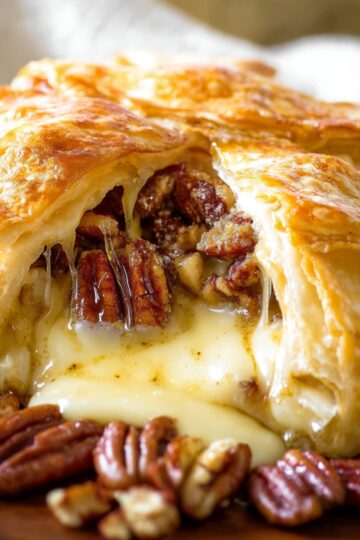
Looking for other recipes like this? Try these:



Pairing
These are my favorite dishes to serve with Omelette Recipe



Omelette Recipe
Ingredients
Method
- Dice the vegetables into small, even pieces so they cook quickly and uniformly.

- Heat olive oil in a skillet over medium-high heat, then cook the vegetables and garlic until tender, stirring often, about 3–5 minutes.
- Transfer the cooked vegetables to a bowl and set aside while preparing the eggs.
- Cook the diced bacon with onion and garlic over medium heat until the bacon is fully cooked and the onion is soft, about 5–8 minutes, then remove from heat.
- Crack the eggs into a bowl and whisk energetically until fully blended, then season with salt and pepper.
- Melt butter in a nonstick skillet over medium-low heat, coating the surface evenly.
- Pour the eggs into the pan and gently swirl so the mixture spreads into an even layer.
- Cover the skillet and cook gently until the eggs begin to set, nudging the edges inward with a spatula so uncooked egg flows outward.
- When the omelette is mostly firm, carefully flip it over and turn off the heat.
- Scatter the shredded cheese evenly over the surface of the omelette.
- Spoon the desired fillings onto one half of the omelette, then fold the other half over the top.
- Slide onto a plate and enjoy immediately while hot and fluffy.






Leave a Reply